

Neuromarketing: Decoding the Secrets of the Consumer’s Brain
Although neuromarketing presents certain ethical and practical challenges, its potential to improve the way companies connect with consumers is undeniable.
Introduction to Neuromarketing
Neuromarketing is an emerging discipline that combines findings from neuroscience with marketing principles to better understand how consumers make decisions. This field aims to understand how consumers think, feel, and make decisions, and how companies can use this information to design more effective marketing strategies.
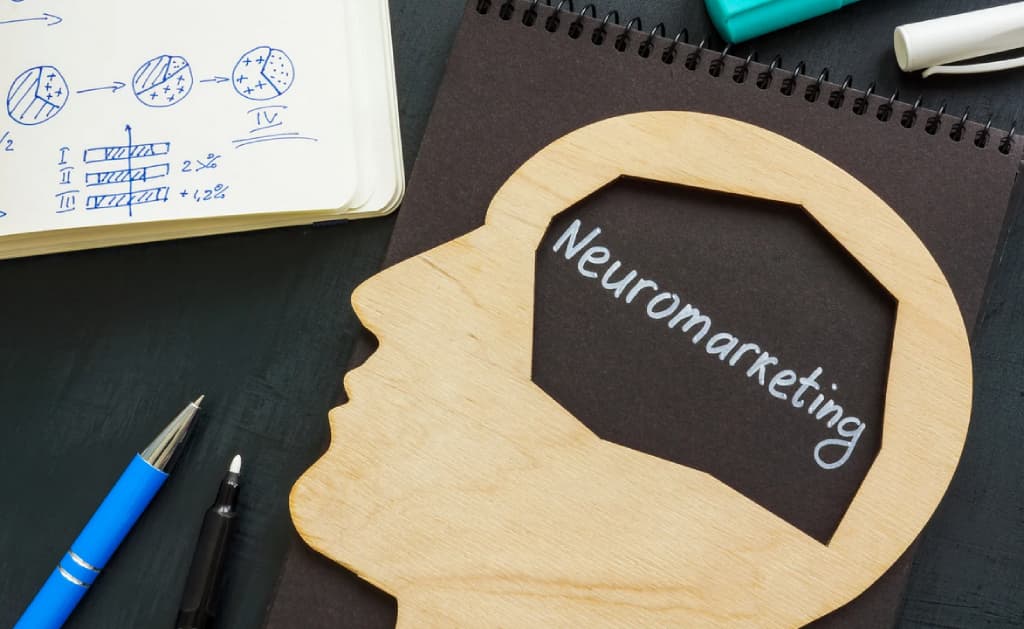
The Science behind Neuromarketing: Neuromarketing is based on the premise that our purchasing decisions are strongly influenced by our emotions and subconscious cognitive processes. Although we are aware of some of the factors that influence our buying decisions, many of these processes occur at a subconscious level and are difficult to articulate.
To understand these subconscious processes, neuromarketing researchers use a variety of techniques such as functional magnetic resonance imaging (fMRI), electroencephalography (EEG), and eye tracking. These tools allow researchers to measure brain activity and emotional responses while subjects interact with products, advertisements, or brand experiences.
Applications of Neuromarketing
Neuromarketing has several practical applications in the world of marketing and advertising. Below, we explore some of the most common ones.
Advertising: Neuromarketing can help companies design more effective advertisements. For example, neuromarketing techniques can help identify which elements of an advert attract viewers’ attention, evoke positive emotions, or are memorable.
Product Design: Neuromarketing can also inform product design. For example, neuromarketing techniques can be used to understand how consumers interact with a product, how they feel about different design features, and which aspects of the product are most attractive or memorable.
User Experience (UX)
Neuromarketing can provide valuable insights into how users interact with digital interfaces such as websites or applications. This can help companies design more intuitive and enjoyable user experiences.

Price: Neuromarketing can help companies understand how consumers perceive and respond to different pricing strategies. For example, neuromarketing techniques can be used to investigate how consumers process pricing information, how they react to discounts or promotions, and how they assess the value of a product.
Advantages and Disadvantages of Neuromarketing
Neuromarketing offers several advantages to companies. On the one hand, it can provide deeper and more accurate insights into consumer behaviour than traditional research techniques. In addition, it can help companies design more effective marketing strategies and improve their products and services.
However, neuromarketing also has its disadvantages. Neuroimaging technology can be expensive and requires expertise to correctly interpret the data. In addition, there is an ethical debate surrounding the use of neuromarketing techniques, as some people fear they could be used to manipulate consumers in ways they are not aware of or cannot control.
Case Studies in Neuromarketing
Over the years, several companies have used neuromarketing techniques to improve their marketing strategies. For example, Google and MediaVest used eye tracking and galvanic skin response (GSR) to understand how consumers interact with YouTube videos. Their study found that consumers were more likely to pay attention to videos that featured emotional or unexpected visual stimuli.
In another study, Frito-Lay used fMRI to understand consumers’ responses to different flavours and textures of potato chips. They discovered that louder crunches and crispier chips evoked more positive emotions, which informed their product development strategy.
To conclude, neuromarketing is a fascinating and rapidly evolving discipline that offers companies the opportunity to better understand their consumers and design more effective marketing strategies.
Topics related to Neuromarketing





Contact us
Tell us about your project
Do you have any questions? Contact us and we will resolve them as soon as possible.